Cute Cat: The Playful Display Font for Modern Web Design
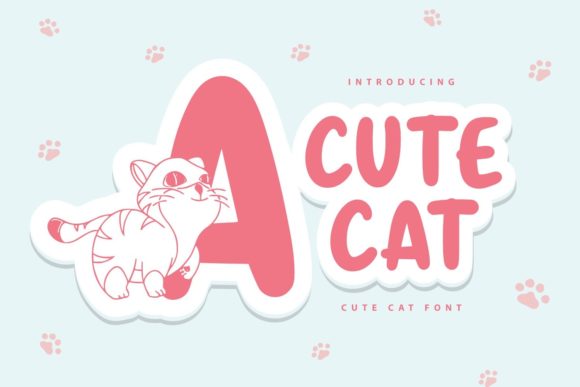
I remember the exact moment I realized my latest project needed a personality shift. I was working on a landing page for a boutique children's activity center, and the design felt too sterile. The layout was clean, the colors were soft, but it lacked the warmth that makes kids' spaces feel inviting. That is when I started testing Cute Cat, a cute and colorful handwritten font that embodies playfulness and authenticity. As soon as I dropped this typeface into the hero section, the entire vibe of the site changed.
This wasn't just about swapping one font for another; it was about finding a digital voice that resonates with both parents and children. In the world of web design, typography is often the first thing users notice, yet it is frequently overlooked in favor of imagery or complex layouts. When you are building a brand experience for families, schools, or creative workshops, the right display font can bridge the gap between professional polish and genuine fun.
Testing Cute Cat in a Real Hero Section
The challenge with any handwritten font is balancing charm with usability. I placed Cute Cat in the main headline of the landing page, overlaying a bright, sunlit photo of children painting. The chunky lettered style immediately drew the eye without feeling overwhelming. Unlike thin script fonts that can disappear against busy backgrounds, the weight of this font ensures visibility even when text sits over an image banner.
However, not every part of the website should scream "fun." I quickly learned that Cute Cat works best as a strategic accent rather than a body copy solution. When I tried using it for long paragraphs describing the class schedules, readability suffered on mobile screens. The irregularities in the handwriting style, while charming, make scanning difficult for users looking for quick information. This is a crucial lesson for UI designers: decorative fonts like this are perfect for headers, call-to-action areas, and short phrases, but they need support from a simpler typeface.
To solve this, I paired the playful display font with a clean sans serif font for the body text. This combination created a strong visual hierarchy. The user's eye naturally flows from the bold, authentic headlines to the easy-to-read details below. This approach maintains the brand's playful identity while ensuring that essential information remains accessible. It is a classic example of how modern typography balances creativity with functionality.
Why This Font Works for Digital Projects
One of the standout features of Cute Cat is its ability to convey authenticity. In an era where digital content can feel overly polished and corporate, a font that looks hand-drawn adds a layer of human connection. This is particularly effective for small business websites, coaching platforms, and portfolio sites where personal branding is key. The font feels like a sticker someone stuck on their laptop, which creates an immediate sense of trust and approachability.
- Brand Personality: It transforms a standard template into a unique digital asset that reflects a specific mood.
- Visual Engagement: The chunky letters create a focal point that stops scrolling behavior, making it ideal for campaign landing pages.
- Versatility: While labeled as a children's activity font, its friendly nature extends to lifestyle blogs, creative agencies, and product packaging designs.
Readability and Mobile Responsiveness
When integrating a premium font like Cute Cat into a responsive layout, size matters more than ever. On desktop monitors, the font shines at larger sizes, perhaps 48px or higher for H1 tags. However, on smaller devices, the spacing between characters can become tight if the font size drops too low. I found that keeping the font size above 24px on mobile screens preserved its legibility and prevented the letters from merging together.
Another consideration is the background contrast. Because the font has a distinct outline and internal spacing, it performs exceptionally well on light backgrounds. If you plan to use it on a dark background or over a complex image, you may need to add a subtle drop shadow or a semi-transparent text box behind the letters. This technique ensures that the text remains the primary focus and does not get lost in the visual noise of the design.
For button elements, such as "Sign Up" or "Learn More," I used Cute Cat sparingly. Using it for the main button label added a delightful touch, but I kept the surrounding interface neutral. This prevents the user interface from becoming chaotic. A good rule of thumb for web designers is to treat decorative fonts as the "dessert" of your design system—enjoyable and memorable, but not the main course.
Pairing Strategies for a Cohesive Look
Selecting the right partner font is half the battle when working with a display font. Since Cute Cat is a handwritten font with a lot of character, it pairs beautifully with geometric sans serif fonts. The simplicity of a sans serif body text allows the playful nature of the headline to take center stage without competition. For a more editorial or sophisticated twist, you could also try pairing it with a classic serif font, though this requires careful attention to spacing to avoid clashing styles.
In a real-world scenario, imagine designing a sales page for an online course about art or crafts. You could use Cute Cat for the course title and the module headings to spark excitement. Then, switch to a highly readable sans serif font for the curriculum details and testimonials. This mix creates a rhythm in the reading experience, guiding the user through the page with energy and clarity.
Before finalizing the font choice for a client project, always check the included styles and file formats. Ensure that the font supports the necessary weights and multilingual characters if your audience is global. Commercial font licensing is also vital; verify that the license covers web usage, so you can safely embed the font files for fast-loading visual content across your website.
Building Trust Through Typography
It might seem counterintuitive, but a playful font can actually enhance brand trust when used correctly. Users today crave authenticity. They want to know there is a real person behind the screen. Cute Cat delivers this by mimicking the imperfections of human handwriting. When a parent sees a school project website or a kids' club landing page with this typeface, they perceive the brand as caring and attentive.
For digital creators and SaaS founders targeting creative markets, incorporating this font into your social media graphics and email headers can create a consistent brand identity. Consistency is the backbone of professional design. Whether you are updating a blog redesign or launching a new product line, having a signature font helps users recognize your content instantly.
Ultimately, the goal of web design is to facilitate communication. By choosing Cute Cat for the right moments, you ensure that your message is not only seen but felt. It turns a static webpage into a dynamic conversation starter. Whether you are designing a boutique online store, a portfolio homepage, or a promotional landing page, this chunky lettered font offers the perfect blend of style and substance. It reminds us that even in the digital realm, there is room for color, joy, and a little bit of cat-like curiosity.